

Clinique De Paris

Last updated:
Ellipse 2
3
min read

ISHRS and AAHRS: Hair Restoration Standards Explained

News

/

ISHRS and AAHRS: Hair Restoration Standards Explained

Table of contents:

What Is ISHRS?

What Is AAHRS?

What Is the London Hair Restoration Academy?

Why Does Hair Restoration Training Matter?

What Is Asian Hair Restoration?

European Training and Asian Hair Restoration

How Should Patients Evaluate a Hair Restoration Provider?

How Clinique de Paris Approaches Hair Restoration

Understanding Hair Restoration Standards

FAQs

Share this article:

Learn what ISHRS and AAHRS mean, how international training standards shape hair restoration, and what patients should know when choosing a provider.

When researching hair restoration, you may come across organizations such as the International Society of Hair Restoration Surgery (ISHRS) and the Asian Association of Hair Restoration Surgeons (AAHRS). You may also encounter specialized training institutions such as the London Hair Restoration Academy.

Understanding what these organizations and training programs represent can help patients evaluate a hair restoration provider more carefully.

ISHRS and AAHRS are professional organizations that support education, research, clinical knowledge, and professional development in hair restoration. Training institutions, meanwhile, provide specialized education in the techniques and principles used in hair restoration surgery.

These credentials should be considered alongside a physician’s medical qualifications, surgical training, clinical experience, licensing, and approach to patient care.

What Is ISHRS?

ISHRS stands for the International Society of Hair Restoration Surgery.

It is an international medical society focused on advancing education, research, ethics, and professional development in hair restoration surgery.

The organization provides educational resources, scientific meetings, clinical information, and professional development opportunities for physicians working in the field of hair restoration.

ISHRS also develops educational resources covering important areas of hair restoration, including patient evaluation, surgical techniques, follicular unit transplantation, follicular unit extraction, hair loss diagnosis, and treatment planning.

For patients, it is useful to understand that ISHRS is a professional medical society, not a government licensing body.

Membership in ISHRS therefore does not replace medical licensure or independently establish that a physician is board certified. It is one credential that can be considered as part of a physician’s broader professional background.

What Is AAHRS?

AAHRS stands for the Asian Association of Hair Restoration Surgeons.

AAHRS is a professional organization focused on hair restoration education, collaboration, and clinical knowledge within Asia.

Its regional focus is relevant because hair restoration requires individualized planning. Hair characteristics, scalp anatomy, donor density, facial proportions, and aesthetic preferences can vary between patients and populations.

For Asian patients in particular, factors such as hair caliber, hair direction, donor density, skin characteristics, and facial structure can influence how a hair restoration procedure is planned.

The purpose of a regional professional organization such as AAHRS is to provide a platform where physicians can exchange knowledge and discuss hair restoration within the context of Asian patients.

What Is the London Hair Restoration Academy?

The London Hair Restoration Academy is a specialized training institution rather than a professional medical society.

Hair restoration training programs can provide physicians and healthcare professionals with additional education in areas such as hair transplant techniques, patient assessment, surgical planning, and clinical practice.

For patients, the important distinction is between training and regulation.

Completing a specialized training program is not the same as obtaining a medical license or board certification. Instead, it forms part of a physician’s overall professional education and experience.

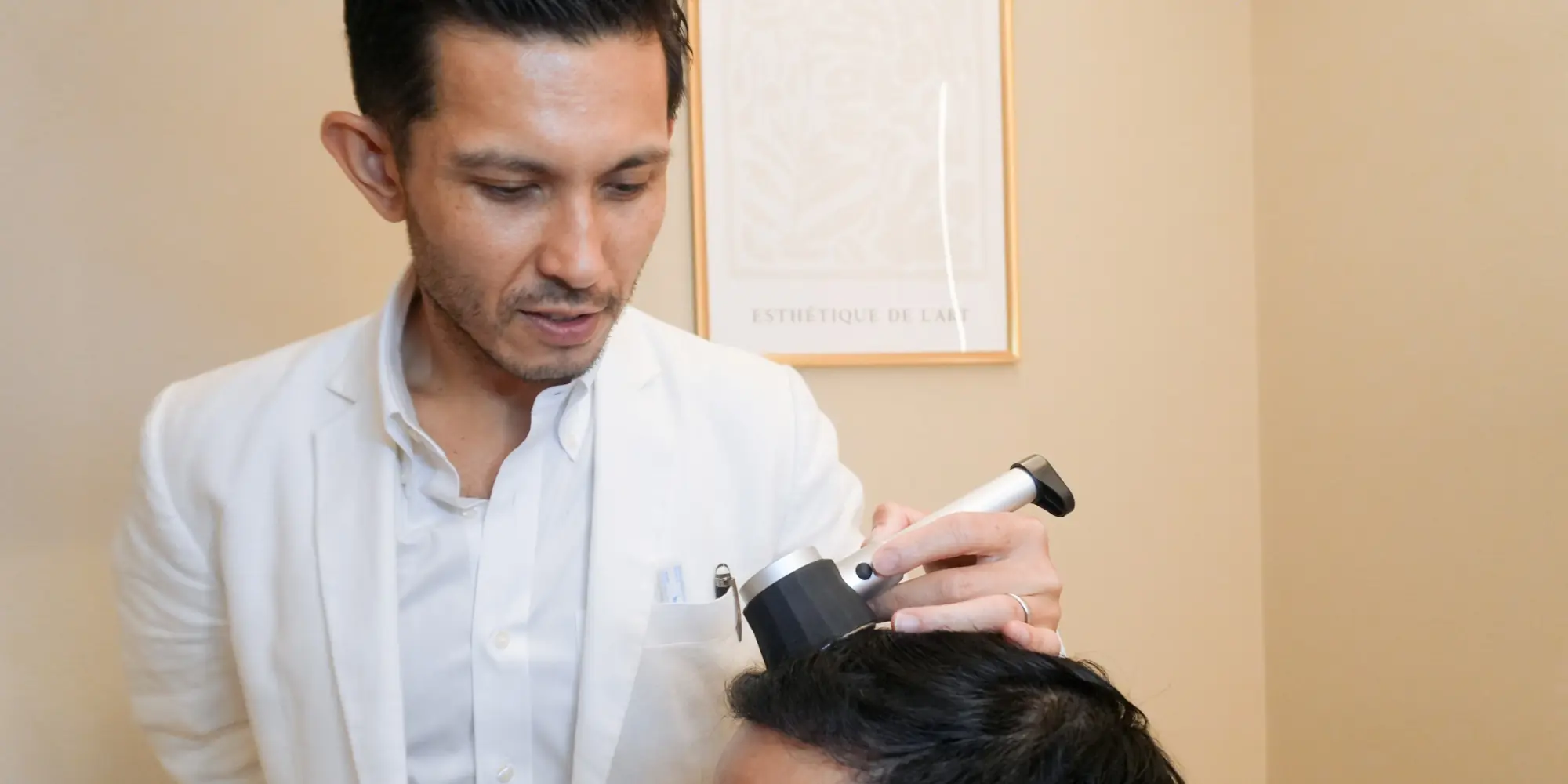
At Clinique de Paris, Medical Director Dr. Rafael Fortus, MD, has undertaken training across Asia and Europe, including training through the London Hair Restoration Academy. This international training background is part of the clinical perspective he brings to hair restoration in the Philippines.
Why Does Hair Restoration Training Matter?

Hair transplantation is a surgical procedure that involves more than the physical implantation of hair follicles.

Treatment planning can involve:

  • Diagnosing the underlying pattern of hair loss
  • Evaluating the donor area
  • Assessing existing hair density
  • Designing the hairline
  • Considering facial proportions
  • Determining graft distribution
  • Managing follicular units
  • Planning for potential future hair loss
  • Establishing realistic expectations

Specialized training can provide additional exposure to these principles and to different approaches to hair restoration.

However, training should always be considered alongside a physician’s medical education, licensing, clinical experience, and surgical responsibilities.

What Is Asian Hair Restoration?

Asian hair restoration refers to hair restoration performed for patients of Asian backgrounds, taking into account their individual hair and scalp characteristics.

There is no single “Asian hair type.” Patients can have significantly different hair textures, thicknesses, densities, scalp characteristics, and patterns of hair loss.

Some considerations that may be relevant include:

Hair caliber

The thickness of individual hair shafts can influence how much visual coverage a certain number of transplanted follicles may provide.

Hair direction

The natural direction and angle of hair growth are important when planning follicle placement and creating a natural-looking result.

Donor density

The amount and distribution of available donor hair can affect how much restoration is possible and how it should be planned.

Hairline design

A natural hairline should be considered in relation to the patient’s facial proportions, age, existing hair, and long-term pattern of hair loss.

Long-term planning

Hair transplantation does not necessarily stop future hair loss. A treatment plan should therefore consider the patient’s potential future hair loss and the preservation of the donor area.

These principles apply broadly to hair restoration, but they become particularly important when creating an individualized plan for each patient.

Next: How Is Asian Hair Transplant Different?

European Training and Asian Hair Restoration

Understanding ISHRS, AAHRS, and specialized training programs is only one part of evaluating a hair restoration provider.

Patients should also ask several practical questions.

Who performs the medical assessment?

Hair loss can have different causes and patterns. A physician should assess the patient’s condition and determine whether hair transplantation is appropriate.

Who creates the treatment plan?

Hairline design, donor management, density planning, and graft distribution require individualized assessment.

Who performs the surgical procedure?

Patients should understand the role of the physician and other members of the medical team during the procedure.

What training does the physician have?

Look at the physician’s medical qualifications, specialized hair restoration training, professional memberships, certifications where applicable, and clinical experience.

How are limitations explained?

A responsible consultation should discuss realistic outcomes, potential risks, limitations, and the possibility of continued hair loss.

What happens after the procedure?

Post-operative care and follow-up are important parts of hair restoration. Patients should know what support and monitoring are available after treatment.

How Should Patients Evaluate a Hair Restoration Provider?

Understanding ISHRS, AAHRS, and specialized training programs is only one part of evaluating a hair restoration provider.

Patients should also ask several practical questions.

Who performs the medical assessment?

Hair loss can have different causes and patterns. A physician should assess the patient’s condition and determine whether hair transplantation is appropriate.

Who creates the treatment plan?

Hairline design, donor management, density planning, and graft distribution require individualized assessment.

Who performs the surgical procedure?

Patients should understand the role of the physician and other members of the medical team during the procedure.

What training does the physician have?

Look at the physician’s medical qualifications, specialized hair restoration training, professional memberships, certifications where applicable, and clinical experience.

How are limitations explained?

A responsible consultation should discuss realistic outcomes, potential risks, limitations, and the possibility of continued hair loss.

What happens after the procedure?

Post-operative care and follow-up are important parts of hair restoration. Patients should know what support and monitoring are available after treatment.

How Clinique de Paris Approaches Hair Restoration

Clinique de Paris applies an international perspective to hair restoration while providing care within the Philippine healthcare environment.

Medical Director Dr. Rafael Fortus, MD, has trained across Asia and Europe, including training through the London Hair Restoration Academy.

The clinic also operates within the DHI network and provides physician-led Direct Hair Implantation (DHI).

The approach combines specialized hair restoration training with individualized assessment and treatment planning.

For patients, the objective is straightforward: understand the patient’s hair loss, assess the available donor area, design an appropriate treatment plan, and consider the patient’s long-term goals.

This reflects a broader philosophy of combining European precision, Asian understanding, and Filipino warmth without treating any single credential as a substitute for comprehensive medical evaluation.

Message Clinique de Paris today to book your FREE hair loss consultation and discover a tailored approach to restoring your hair and confidence.

For booking and inquiries, call +63 917 676 5090 or visit cliniquedeparis.com.
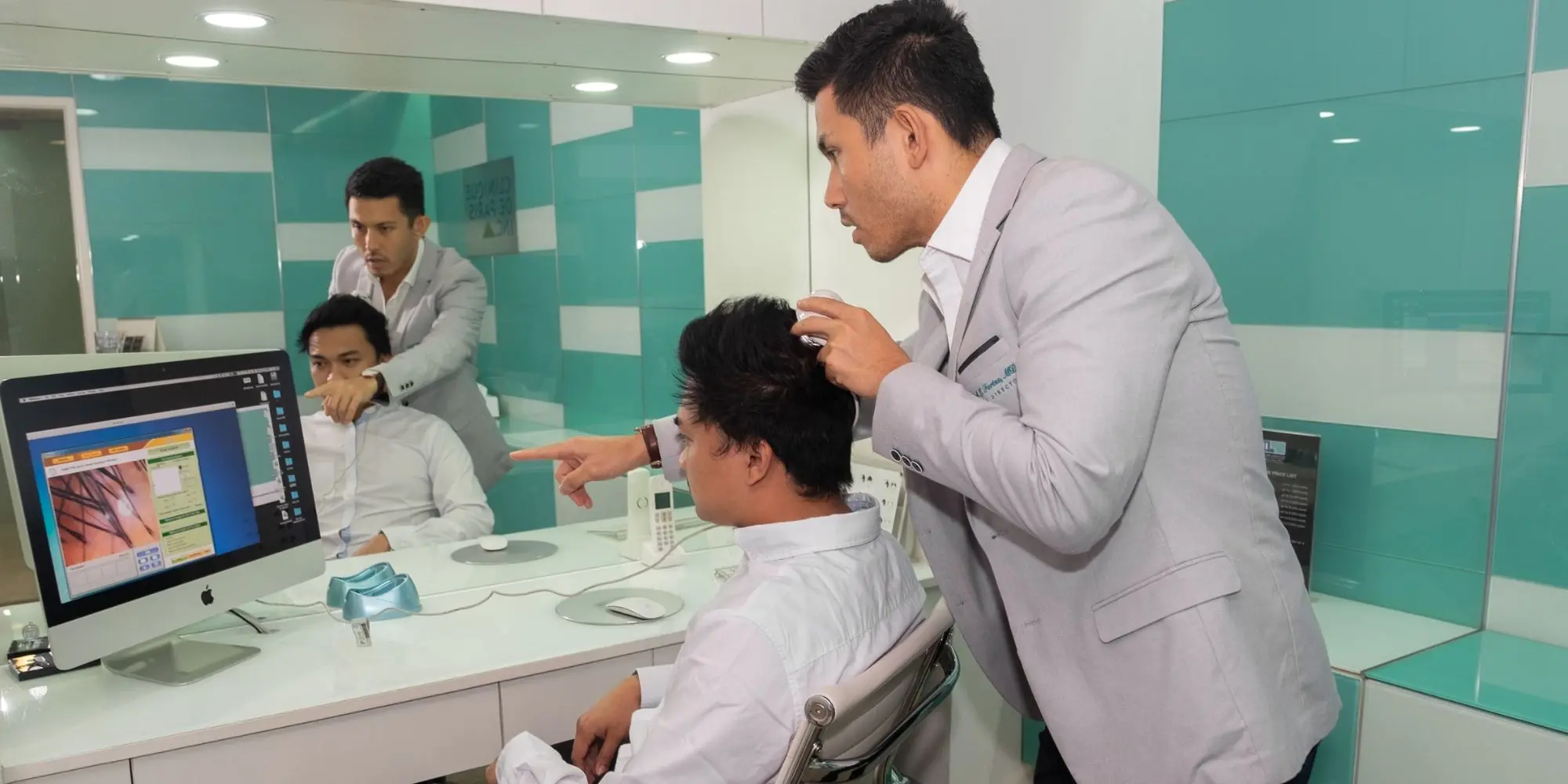
Understanding Hair Restoration Standards

ISHRS, AAHRS, and specialized training institutions such as the London Hair Restoration Academy each serve different roles within the hair restoration field.

Professional organizations support continuing education and clinical knowledge. Training institutions provide specialized education. Medical licensing establishes the legal requirements for practice.

For patients, these distinctions matter because no single credential tells the entire story.

A more complete evaluation considers the physician’s medical qualifications, specialized training, clinical experience, surgical involvement, treatment planning, and approach to long-term patient care.

For Clinique de Paris, this means bringing an international perspective to hair restoration in the Philippines while keeping the patient at the center of the clinical process: European precision, Asian understanding, and Filipino warmth.

FAQs

What does ISHRS stand for?

ISHRS stands for the International Society of Hair Restoration Surgery, an international medical society dedicated to education, research, ethics, and professional development in hair restoration.

What does AAHRS stand for?

AAHRS stands for the Asian Association of Hair Restoration Surgeons, a professional organization focused on hair restoration education and collaboration in Asia.

Is ISHRS a medical licensing organization?

No. ISHRS is a professional medical society. Medical licensing is governed by the relevant regulatory authority in the country where a physician practices.

Is ISHRS membership the same as board certification?

No. Professional society membership and board certification are separate credentials and should be evaluated independently.

What is the London Hair Restoration Academy?

The London Hair Restoration Academy is a specialized hair restoration training institution. Training through an academy is part of a physician’s professional education and should be considered alongside medical qualifications, licensing, and clinical experience.

Why is specialized hair restoration training important?

Specialized training can provide additional education in hair loss assessment, surgical techniques, treatment planning, and hair restoration principles. It is one component of a physician’s overall qualifications.

Is Asian hair restoration different from hair transplantation elsewhere?

The fundamental principles of hair transplantation remain the same. However, individual hair characteristics, scalp anatomy, donor density, facial proportions, and aesthetic preferences can vary between patients and populations. Treatment should therefore be individualized.

What should I look for when choosing a hair restoration provider?

Consider the physician’s medical qualifications, hair restoration training, clinical experience, professional credentials, involvement in treatment planning and surgery, approach to patient safety, long-term planning, and post-operative care.

Next: Everything You Need to Know About Hair Transplants: A Beginner’s Guide to DHI

Book a FREE consultation with Clinique de Paris to discover the best solution for your hair loss.

our solutions

Hair to skin confidence

LET’S GET STARTED

Stay on top of it

Edit Template