

Clinique De Paris

Last updated:
Ellipse 2
3
min read

Does Wearing a Hat Every Day Cause Hair Thinning?

News

/

Does Wearing a Hat Every Day Cause Hair Thinning?

Table of contents:

Understanding Hair Thinning & Hair Loss

What Actually Causes Hair Thinning?

The Myth: Hats and Hair Loss

The Science Behind It

Best Practices for Hat Wearers

When to Be Concerned About Hair Thinning

How Clinique de Paris Can Help

Share this article:

If you wear a hat daily, you might have heard the claim that it can cause hair thinning or even hair loss. But is there any truth to this? Many people worry about their hair health and want to take the right steps to prevent hair loss. At Clinique de Paris, we specialize in diagnosing and treating hair thinning, so let’s break down the facts and clear up this common misconception.
 

Understanding Hair Thinning & Hair Loss

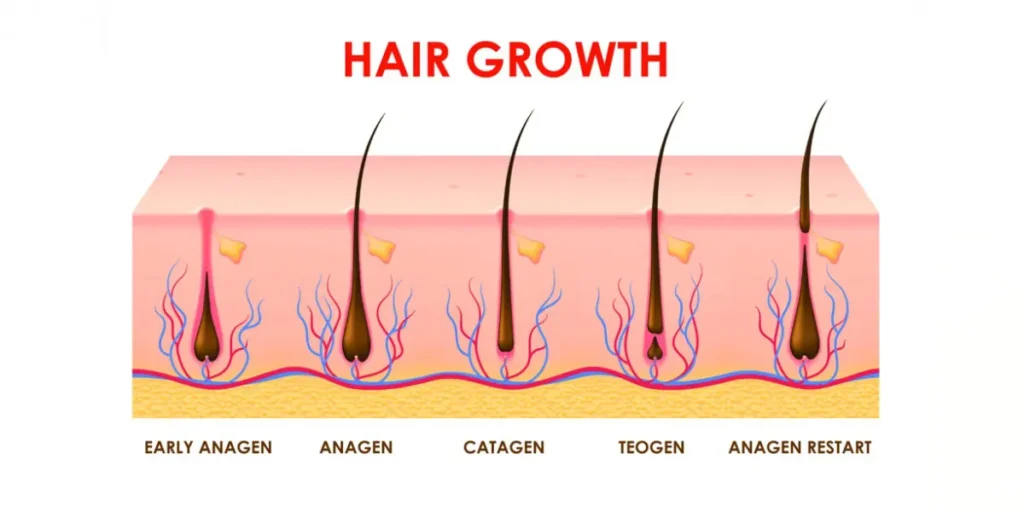
Before we dive into the hat-wearing debate, it’s essential to understand how hair growth works.

Hair goes through a natural cycle consisting of:

  • Anagen (Growth Phase): Hair actively grows from the follicle.
  • Catagen (Transition Phase): Growth slows, and the follicle begins to shrink.
  • Telogen (Resting Phase): Hair sheds to make way for new strands.

What Actually Causes Hair Thinning?

Several factors can contribute to hair thinning, including:

  1. Genetics – Androgenetic alopecia (pattern baldness) is the most common cause.
  2. Hormonal Imbalances – Conditions like PCOS or thyroid issues can affect hair health.
  3. Stress & Diet – Poor nutrition or excessive stress can trigger hair shedding.
  4. Medical Conditions – Autoimmune diseases, scalp infections, and certain medications can impact hair growth.

While external factors like hairstyling and environmental exposure can play a role, do hats fall into this category?

The Myth: Hats and Hair Loss

Many people believe that wearing a hat every day causes hair thinning, but where did this idea come from?

Debunking the Misconceptions

  • “Hats suffocate the scalp” – Hair follicles get their oxygen and nutrients from the bloodstream, not from the air. A hat does not “suffocate” hair or hinder its growth.
  • “Hats pull out hair” – Unless a hat is excessively tight and causes constant friction, it won’t cause hair loss. However, repeated stress on the hair follicles (traction alopecia) can occur in extreme cases.

The Science Behind It

Research and dermatologists agree that wearing a hat does not directly lead to hair thinning. However, there are a few risks to keep in mind:

Tight Hats & Friction – Wearing extremely tight hats over long periods may contribute to traction alopecia, a form of hair loss caused by continuous pulling on the hair.

Sweat & Scalp Irritation – Wearing a hat for long hours, especially in hot climates, can trap sweat and oil, potentially leading to scalp irritation or conditions like seborrheic dermatitis, which can affect hair health.

At Clinique de Paris, we focus on treating the real causes of hair thinning—genetics, hormonal imbalances, and medical conditions—rather than external myths.
Best Practices for Hat Wearers

If you love wearing hats but want to keep your hair healthy, follow these simple tips:

  • Choose the Right Fit: Avoid overly tight hats that create unnecessary tension on the scalp.
  • Opt for Breathable Materials: Cotton or moisture-wicking fabrics help prevent sweat buildup.
  • Keep Hats Clean: Bacteria and dirt can accumulate, leading to scalp irritation. Wash your hats regularly.
  • Maintain a Good Hair Care Routine: Regular scalp treatments help remove buildup and keep follicles healthy.


At Clinique de Paris, we offer cutting-edge treatments to keep your scalp in top condition:

  • Platelet Mesotherapy & Exosomes Therapy – A cutting-edge treatment that delivers growth factors and regenerative compounds directly to the scalp, stimulating hair growth and strengthening follicles.
  • Prescription Hair Loss Serum – A customized, doctor-prescribed serum designed to nourish the scalp, support follicle health, and enhance hair restoration results.

When to Be Concerned About Hair Thinning

If you notice persistent hair shedding, visible thinning, or a receding hairline, it’s best to seek professional advice. Other warning signs include:

  • Scalp conditions causing discomfort or flaking
  • Sudden or unexplained hair loss

At Clinique de Paris, we offer expert consultations to assess your hair loss and provide customized solutions for healthy, fuller hair.

How Clinique de Paris Can Help

We go beyond myths and focus on scientific, results-driven solutions for hair restoration:

  1. Advanced Diagnostic Tools – We analyze your scalp and hair follicles to determine the root cause of thinning.
  2. Hair Transplant Solutions – Permanent solutions for long-term hair restoration such as the Direct Hair Implantation at Clinique de Paris.
  3. Personalized Hair Care Treatments – Tailored treatments based on your hair type and scalp health.

Here’s What You Need to Know:

  • Wearing a hat does not cause hair thinning—but genetics, hormonal changes, and medical conditions might.
  • Maintaining scalp health is key—proper hygiene, scalp treatments, and professional care can make all the difference.
  • If you’re experiencing hair thinning, a professional consultation at Clinique de Paris can help identify the real cause and provide effective treatments to restore healthy hair.

To better understand your concerns, you may schedule a consultation with us so we can customize a suitable treatment for you. Clinique de Paris has several services including facial and hair treatments available, each patient having a tailored treatment package that will provide them the results they want.

Begin your journey to smoother skin and thicker hair! Book your consultations and treatments through www.bookeo.com/cliniquedeparis.

We offer virtual consultations for patients residing outside Metro Manila, Philippines.


Book a FREE consultation with Clinique de Paris to discover the best solution for your hair loss.

our solutions

Hair to skin confidence

LET’S GET STARTED

Stay on top of it

Edit Template