September 18, 2026/



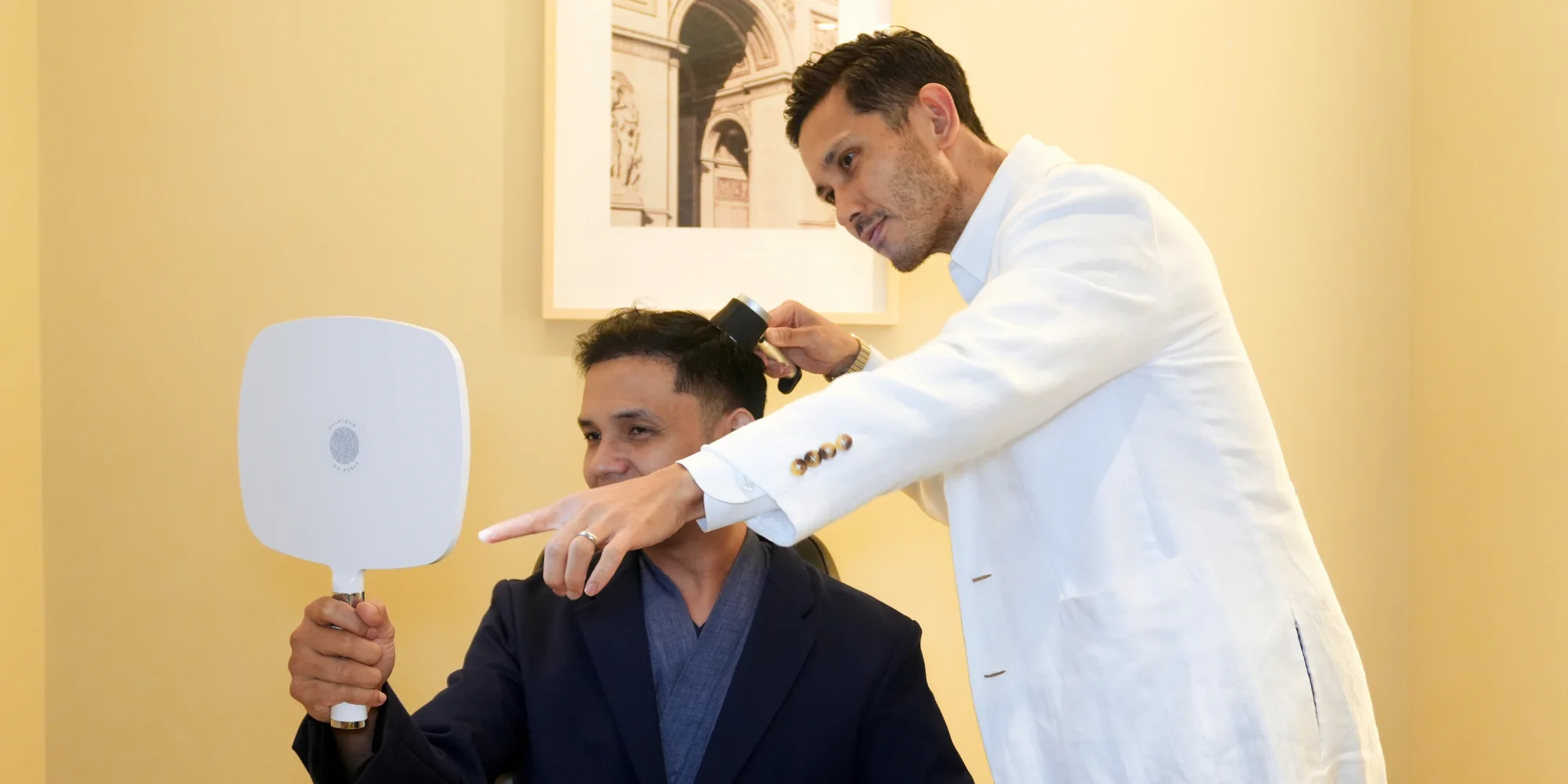
A hair transplant should not begin with a predetermined number of grafts.
The first step is understanding the patient’s hair loss pattern, donor area, scalp condition, existing hair density, and long-term expectations. This assessment helps determine whether DHI is appropriate and how the treatment should be designed.
International patients can begin with a virtual consultation to discuss their medical history, concerns, and treatment goals before traveling. The final treatment plan is determined following a clinical assessment.

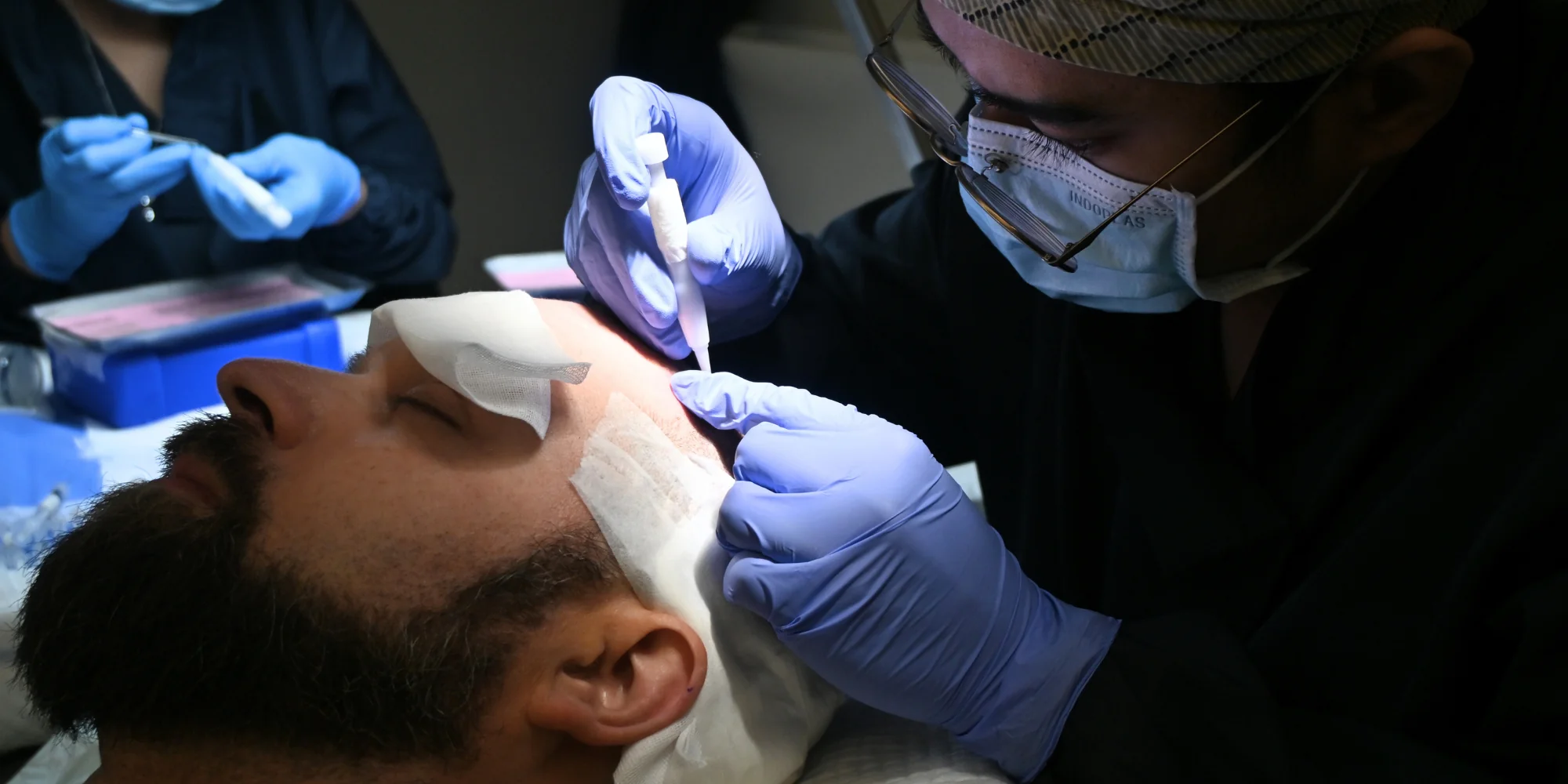
Direct Hair Implantation, or DHI, uses a specialized implanter pen to place individual hair follicles directly into the recipient area.
The procedure involves:
Understanding the process before arriving helps patients develop realistic expectations about the procedure and recovery.

Timing is an important consideration for international patients.
Your itinerary should allow sufficient flexibility for your consultation, procedure, immediate recovery, and follow-up instructions.
Avoid scheduling demanding activities immediately after treatment. Your physician will provide individualized guidance regarding travel, physical activity, sun exposure, swimming, and other activities during early recovery.

DHI is performed under local anesthesia, allowing patients to remain awake throughout the procedure.
The length of treatment depends on the number of hairs being transplanted and the complexity of the treatment plan. Because each follicle is individually handled and implanted, precision is an important part of the process.
Before the procedure, your clinic should provide clear instructions regarding meals, medications, clothing, and other preparations.

The first few days following a hair transplant are focused on protecting the newly implanted follicles.
Temporary redness, swelling, tightness, or sensitivity may occur and can vary depending on the individual and extent of treatment.
Post-operative instructions may include guidance on:
Following these instructions carefully helps support proper early healing.

Your recovery timeline should be considered when booking flights and planning your return.
Many patients can resume many normal activities relatively quickly, but recovery varies according to the individual and extent of treatment. Your physician will advise you when it is appropriate to resume specific activities and travel.
The goal is not simply to return home quickly, but to return home with a recovery plan you can realistically follow.

7. Know What Happens After You Leave the Philippines
Hair restoration is a long-term process, and care should not end when your flight departs.
The transplanted follicles require time to progress through their natural growth cycle, while existing native hair may continue to change.
International patients should understand how follow-up care will be managed after returning home. At Clinique de Paris, patients can receive continued guidance through follow-up assessments and recovery support beyond their initial visit.

A hair transplant does not produce an immediate transformation.
Following transplantation, newly implanted hairs undergo a natural growth cycle. Temporary shedding can occur before new growth develops, while visible improvement takes place progressively over the following months.
Understanding this timeline allows patients to evaluate their progress realistically.

A hair transplant is not only about the follicles transplanted during one procedure.
Patients experiencing androgenetic alopecia may continue to lose untreated native hair over time. Depending on individual clinical needs, non-surgical treatments may be considered to support existing hair and help manage ongoing hair loss.
A long-term restoration strategy should therefore consider both transplanted and existing hair.