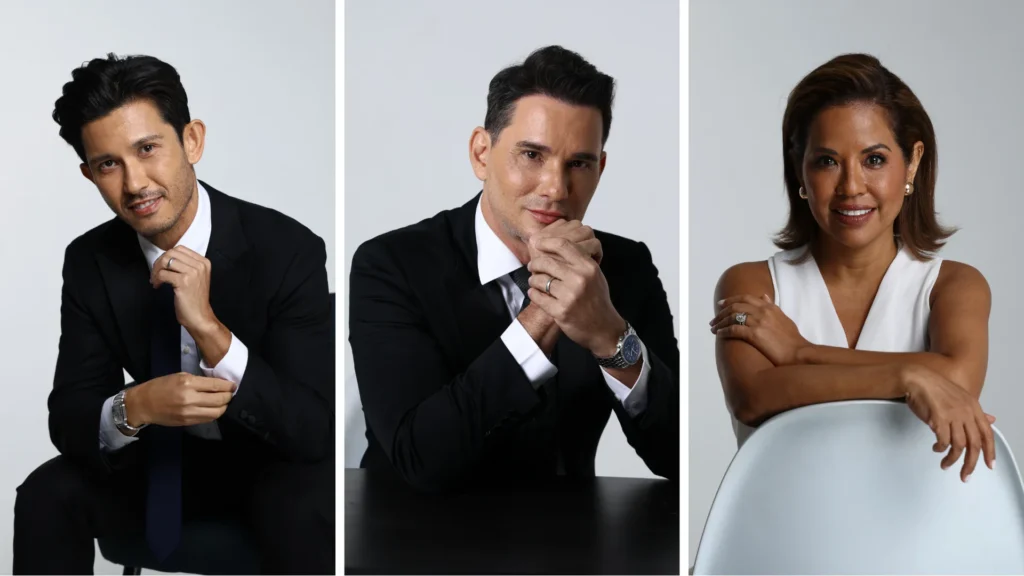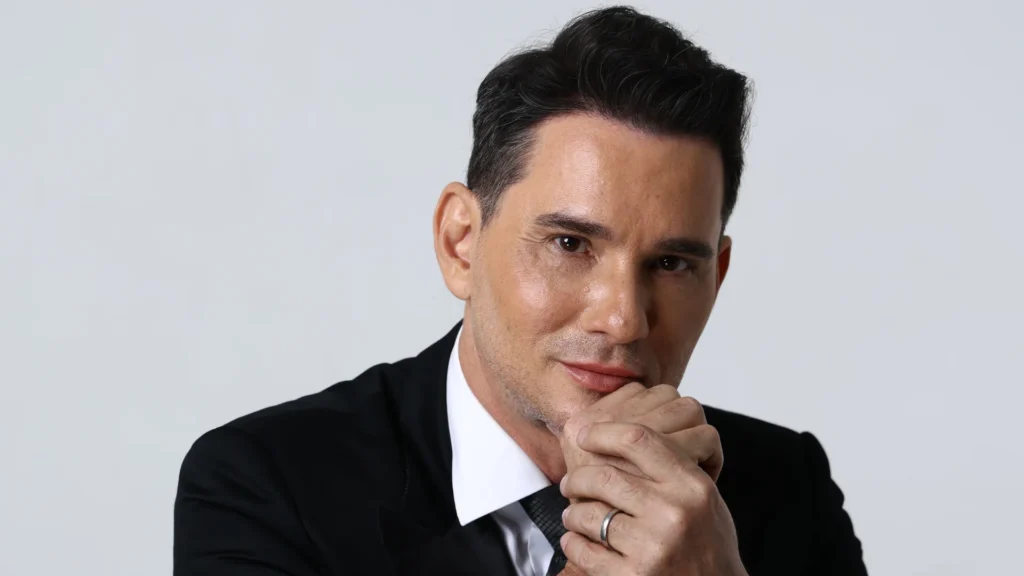


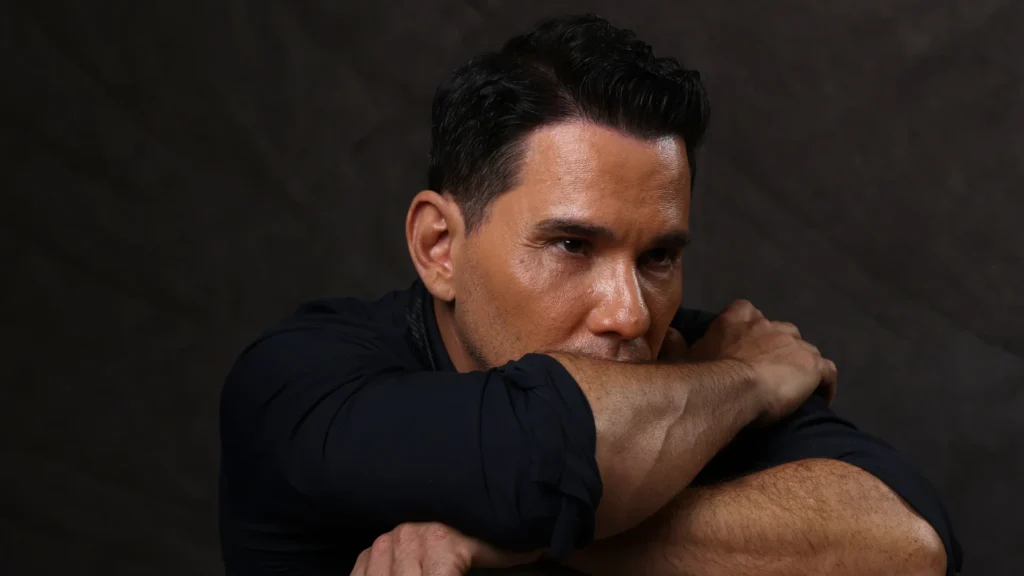
For French-Filipino entrepreneur Ludovic Branellec, the story of Clinique de Paris started with a personal experience.
After undergoing Direct Hair Implantation (DHI) himself, Ludovic became interested not only in the results, but in the level of precision and care behind the procedure. He eventually underwent DHI a second time, further shaping his view of what hair restoration could be.
That experience led to a bigger question: if this level of care was available elsewhere in the world, why couldn’t it be available in the Philippines?
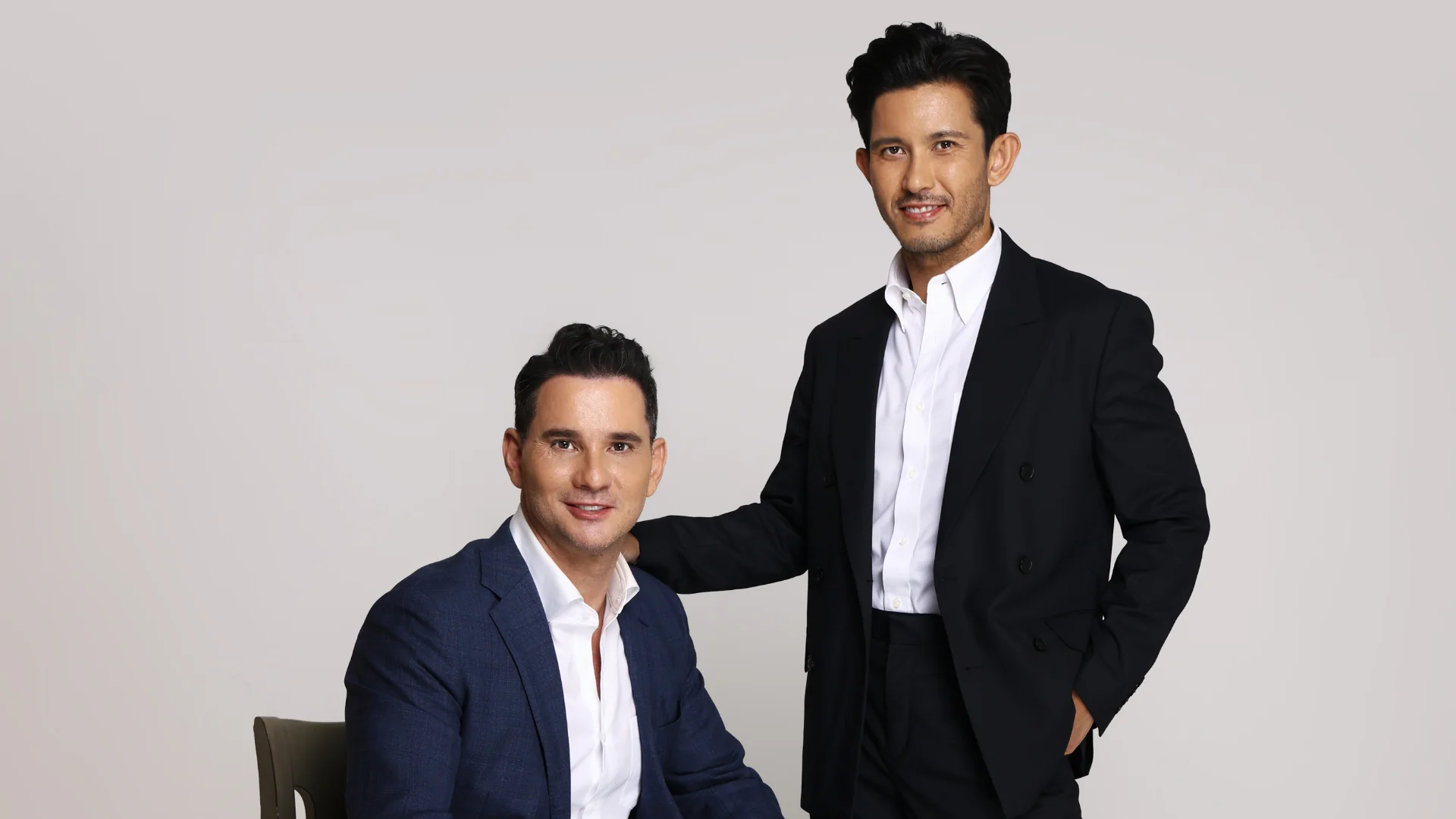
Together with Medical Director Dr. Rafael Fortus, Mr Branellec set out to build more than a hair restoration clinic. His goal was to bring international standards to the Philippines while creating an experience that reflected the country’s strengths in healthcare and hospitality.
Today, Clinique de Paris is helping put the Philippines on the map as the best choice for hair transplants.
A Vision Born From Personal Experience
When Ludovic first underwent Direct Hair Implantation (DHI), he wasn’t thinking about becoming the founder of one of the Philippines’ premier hair restoration clinics.
Like millions of people living with genetic hair loss, he was looking for a solution that looked natural and suited him personally.
“I didn’t come into DHI from a professional perspective at the beginning,” Ludovic explains. “It started in a very personal way because I also have genetic hair loss myself.”
What stood out to him was not simply the procedure itself, but how much depended on small, precise decisions.
“With DHI, each follicle is handled individually, and every placement is intentional in terms of angle, direction, and depth.”
That experience would eventually become part of the foundation of Clinique de Paris.
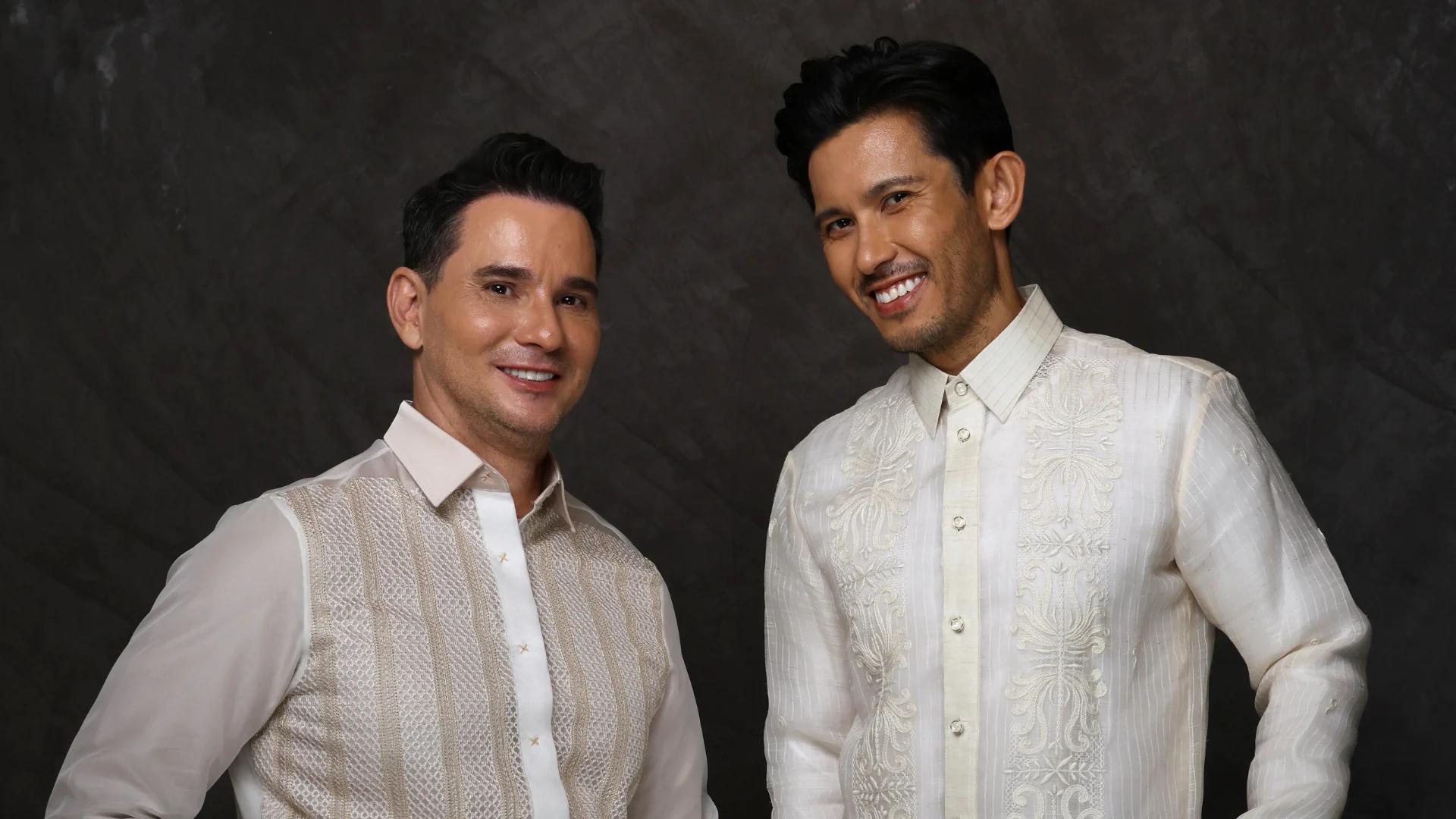
Today, Mr Branellec serves as Founder and Chief Executive Officer of the luxury hair restoration and aesthetic clinic, working alongside Medical Director Dr. Rafael Fortus to bring internationally recognized standards of hair restoration to the Philippines.
But the vision extends beyond introducing DHI locally.
It is about changing how patients think about healthcare in the Philippines and what they can expect from it.
A Personal Journey That Became a National Vision
Hair loss is rarely spoken about with urgency, yet it can have a lasting effect on how people see themselves.
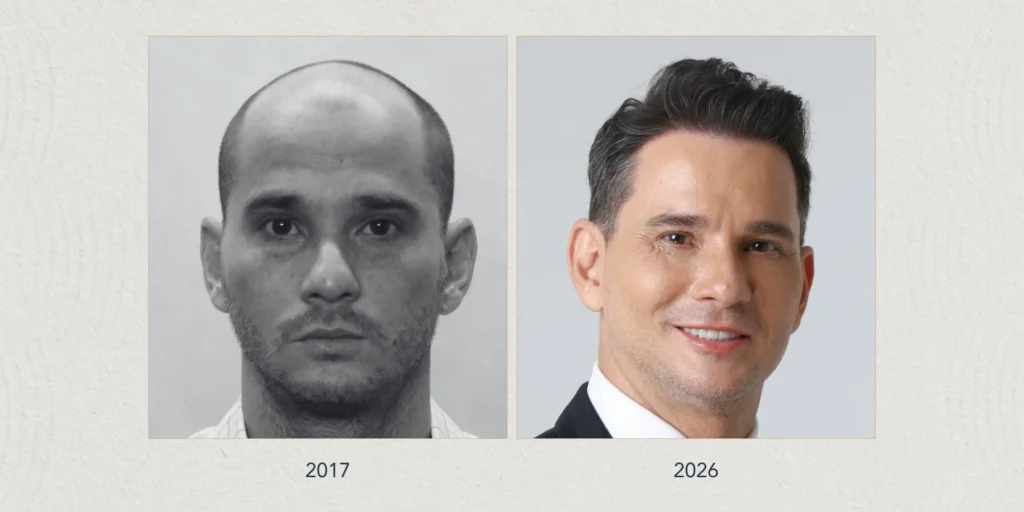
For Ludovic, the experience was personal. Like many men with hereditary hair loss, he watched gradual changes unfold over time and began looking into the options available around the world.
His search led him to DHI, and ultimately to becoming a DHI patient himself, not once, but twice.
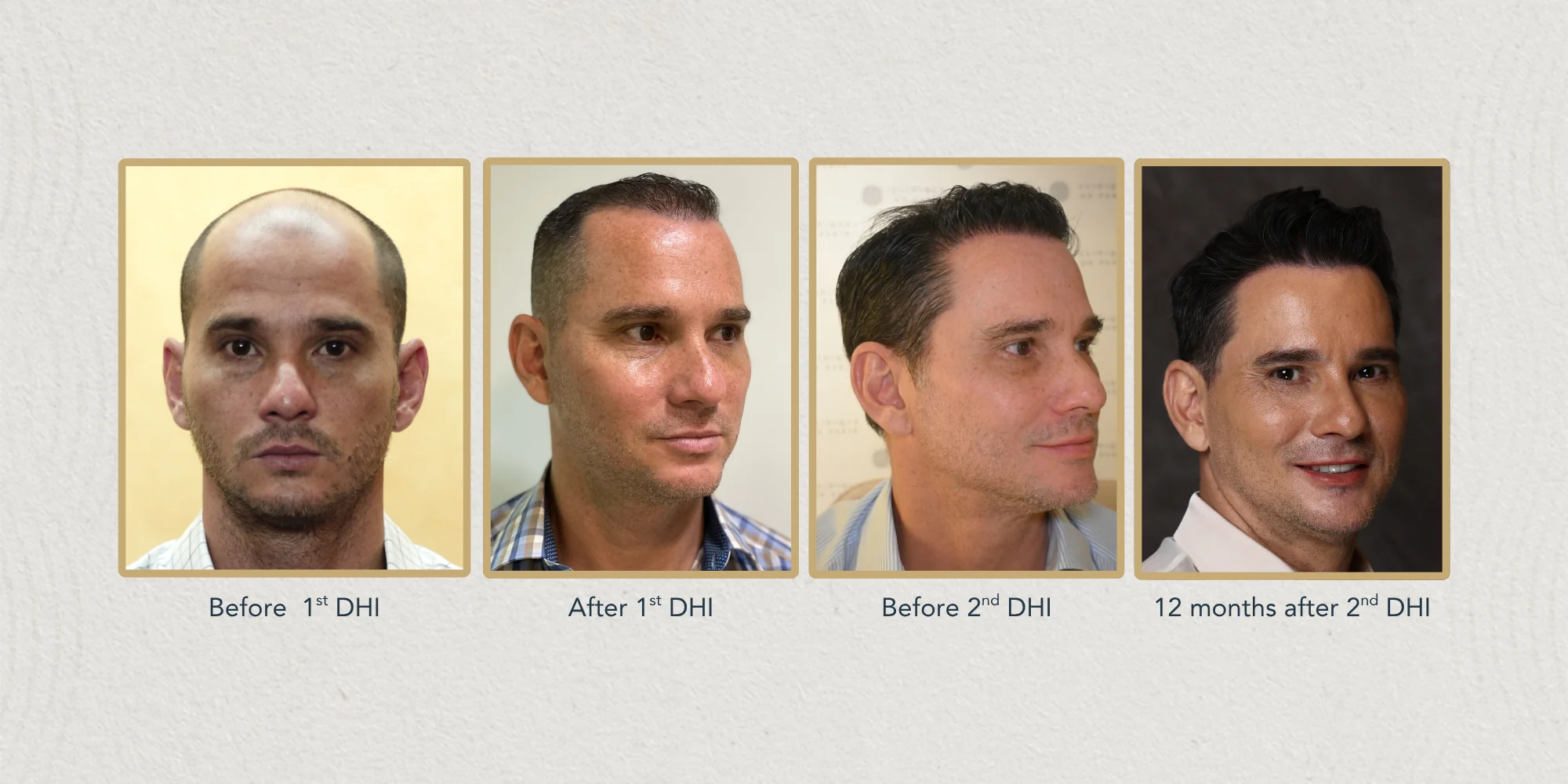
“What stayed with me wasn’t just the result,” he says. “It was how precise everything had to be. Every small detail mattered more than you think.”
Every consultation was personalized. Every follicle placement was intentional. Every decision had to account for the immediate result as well as how the hair would look as it developed over time.
That experience changed how he viewed the patient experience.
“We felt patients deserved more than simply a procedure,” Ludovic says. “They deserve precision, consistency, natural artistry, proper consultation, and an experience that feels premium from beginning to end.”
It also led him to ask a simple question:
If this level of care already existed elsewhere in the world, why couldn’t it exist in the Philippines?

Building More Than a Clinic
The answer became Clinique de Paris.
Together with Dr. Rafael Fortus, whose training spans Australia, Europe, and Asia, Mr Branellec set out to create a clinic that would challenge the idea that patients have to travel abroad to access the best hair transplant results.

For decades, patients associated premium hair transplantation with destinations such as Turkey, South Korea, and parts of Europe. Traveling abroad has become almost synonymous with seeking advanced treatment.
Mr. Branellec and Dr Fortus believed there was an opportunity to change that.
Rather than encouraging Filipinos to travel overseas, he wanted to bring international standards home while building an experience that reflected something distinctly Filipino.
“We created Clinique de Paris with a very simple belief: Filipinos shouldn’t need to leave the country for world-class care.”
That philosophy remains central to the Clinique de Paris Philippines today.
For patients researching a hair transplant in the Philippines, the decision is increasingly about more than location. Clinical standards, physician expertise, technology, personalization, and aftercare all play a role.
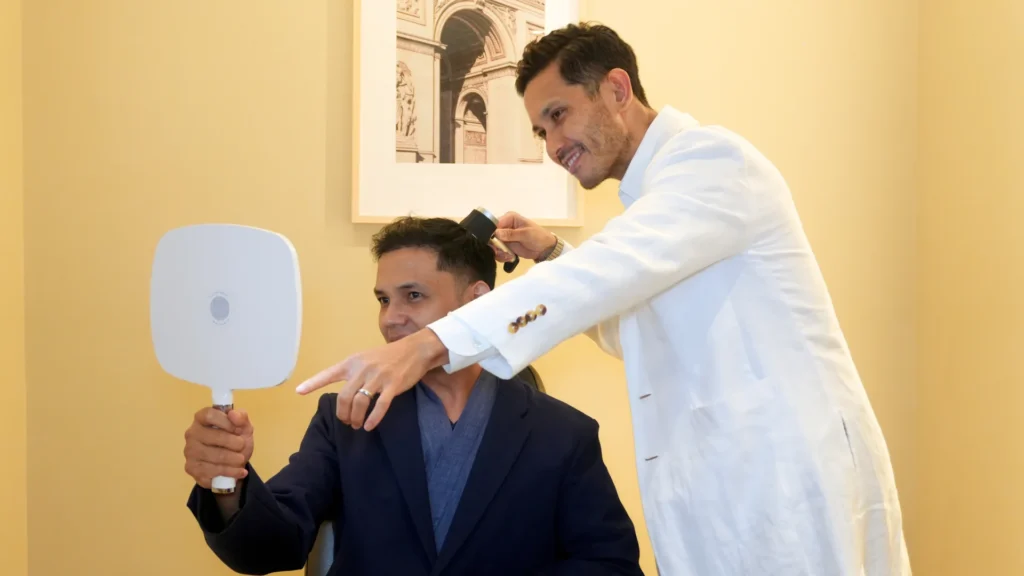
Where Science Meets Art
Hair restoration is often viewed as a technical procedure.
But according to Dr. Rafael Fortus, the technical side is only part of the equation.
Preserving healthy follicles, supporting graft survival, and following evidence-based protocols are fundamental. So are hairline design, density distribution, and the angle and direction of each graft.
“The science is non-negotiable,” Ludovic explains.
“But hair restoration is also deeply artistic.”
With DHI, each follicle is handled individually. Its placement needs to account for angle, direction, depth, and how the surrounding hair is expected to develop.
These details matter because a technically successful transplant can still look unnatural if the design does not suit the individual.
Patients today are also more informed. They have access to thousands of hair restoration results online and are increasingly able to recognize when a result looks artificial or overdone.
At Clinique de Paris, naturalness is therefore treated as a baseline rather than an additional feature.
“Natural results aren’t a feature we offer,” Mr Branellec says. “They’re the baseline expectation we hold ourselves to.”
Redefining Luxury Healthcare
Luxury healthcare is not necessarily about elaborate surroundings or exclusivity.
For many patients, it is about time, personalization, attention to detail, and knowing that their treatment has been designed specifically for them.
At Clinique de Paris Makati, every patient journey begins with understanding the individual, their facial proportions, hair characteristics, lifestyle, long-term goals, and future pattern of hair loss.
Treatment plans are not standardized because no two patients are the same.
“The experience starts the moment a patient walks in,” Mr. Branellec says. “From consultation to aftercare, every detail matters.”
This approach has attracted both local patients and visitors from Australia, Hong Kong, the United States, and other parts of Asia who are choosing Manila for their hair restoration journey.
For international patients, the appeal is not simply the treatment itself. It is the combination of clinical care and a more personal patient experience.
A New Chapter for Philippine Medical Tourism
The Philippines has long been recognized for its healthcare professionals and reputation for hospitality.
Today, it is beginning to attract attention in another area: medical tourism for specialized and aesthetic treatments.
As global patients look beyond traditional medical tourism destinations, the Philippines offers a combination of medical expertise, accessibility, and personalized care.
For Ludovic, this represents an opportunity to broaden how the country is viewed internationally.
His ambition has never been limited to building a successful clinic. It is also about demonstrating that international standards can be delivered in the Philippines.
That is reflected in the international patients who choose to travel to Manila for treatment.
For someone searching specifically for a hair transplant in Manila, the city is becoming a viable option alongside more established destinations in Asia and Europe.
More Than Restoring Hair
Ask Mr Branellec what he finds most rewarding, and the conversation rarely begins with the procedure itself.
Instead, he talks about what happens afterward.
Patients become more comfortable in photos, conversations, and everyday situations.
“They don’t describe it as becoming someone new,” he says. “They describe it as feeling like themselves again.”
That distinction captures the philosophy behind Clinique de Paris.
Hair restoration is not necessarily about creating a different appearance. At its best, it is about achieving a result that feels natural to the person receiving it.
For Ludovic, that philosophy extends beyond individual patients.
His vision is about demonstrating that international standards can be built in the Philippines. That excellence does not always require traveling abroad. And that the country has the medical expertise, technical capability, and hospitality to become a credible destination for luxury hair restoration.
For those researching how much a hair transplant costs in the Philippines, the answer depends on factors such as the extent of hair loss, the number of hairs required, and the individual’s treatment plan. But cost is only one part of the decision. The quality of consultation, clinical expertise, technique, and long-term planning are equally important.
As medical tourism continues to evolve, the Philippines has an opportunity to compete on more than price or convenience.
And Clinique de Paris is positioning itself as part of that next chapter.
Next read: Hair Holiday in Manila