July 22, 2026/


Hair Restoration
Face & Skin Rejuvenation
Face & Body Aesthetics
Solutions
News
/
Table of contents:
What Are Peptides?
How Do Peptides Help with Hair Loss?
Can Peptides Regrow Hair?
Which Types of Peptides Are Used for Hair Growth?
How Do Peptides Compare with Other Hair Loss Treatments?
How Are Peptides Typically Used in Hair Restoration?
Who May Benefit from Peptide Therapy?
Conclusion
Frequently Asked Questions
Share this article:
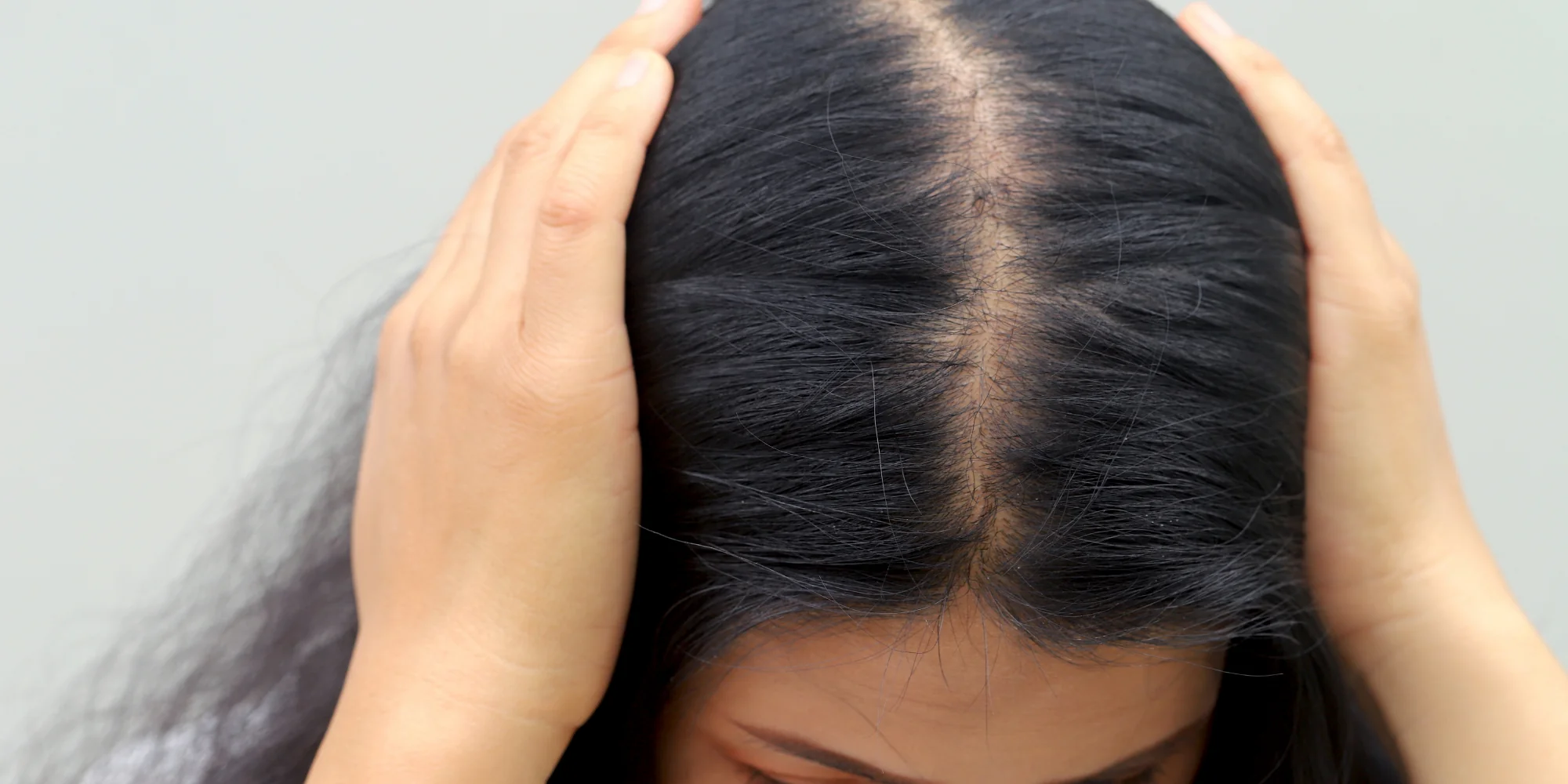
Hair loss affects millions of men and women worldwide, leading many to explore treatments beyond traditional medications and hair transplant surgery. Among the emerging options, peptides for hair loss have gained attention for their potential to support healthier hair follicles and improve scalp health.
But can peptides actually regrow hair? While peptide-based therapies show promise in regenerative medicine, their effectiveness depends on the cause and stage of hair loss. In this guide, we’ll explain how peptides work, what current research says, and where they fit within modern hair restoration.

Peptides are short chains of amino acids that act as biological messengers, helping regulate processes such as tissue repair, collagen production, wound healing, and cellular communication. Certain peptides are being studied for their potential to support healthier hair follicles and scalp function.
Unlike larger proteins, peptides can interact efficiently with specific receptors in the body. In dermatology and regenerative medicine, they are commonly used in topical formulations and injectable therapies because of their regenerative properties.
For hair restoration, peptides do not create new hair follicles. Instead, they aim to improve the environment surrounding existing follicles, helping them function more effectively.
Peptides may help hair loss by supporting cellular communication, reducing inflammation, encouraging tissue repair, and creating a healthier environment for hair follicles. Their primary role is to improve the function of existing follicles rather than generate new ones.
Hair follicles naturally cycle through periods of growth, transition, and rest. Conditions such as androgenetic alopecia, aging, hormonal changes, or inflammation can shorten the growth phase, causing hair to become progressively thinner.
Researchers believe certain peptides may help by:

Peptides have become an increasingly important part of modern hair restoration because they help support healthier hair follicles, improve scalp health, and promote an environment that encourages natural hair growth. When incorporated into a personalized treatment plan, peptide-based therapies can play a valuable role in managing hair thinning and supporting long-term hair health.
Peptides are commonly recommended for individuals experiencing:
Rather than targeting just one aspect of hair loss, peptides work by supporting cellular communication, tissue repair, and growth factor activity around the hair follicle. These regenerative properties make them a valuable addition to comprehensive hair restoration programs.
For patients with more advanced hair loss, peptides may also be combined with regenerative treatments such as Platelet Mesotherapy (PMT) or surgical procedures like DHI (Direct Hair Implantation) to support scalp health and optimize the overall treatment journey.
According to Dr. Rafael Fortus, successful hair restoration begins with identifying the underlying cause of hair loss. A personalized medical assessment allows doctors to recommend the most appropriate combination of treatments based on each patient’s stage of hair loss, scalp condition, and long-term goals.
Copper peptides, particularly GHK-Cu (glycyl-L-histidyl-L-lysine copper), are among the most extensively researched peptides for hair restoration. Human studies suggest they may support healthier hair follicles by promoting tissue repair, reducing inflammation, stimulating collagen production, and creating an environment that supports healthy hair growth.
Among them, GHK-Cu has received significant attention in regenerative medicine because of its potential to:
At Clinique de Paris, peptide technology is incorporated into our Exosomes treatment. Rather than offering injectable peptide therapy as a standalone treatment, regenerative peptides, including GHK-Cu, are delivered alongside growth factors, cytokines, and extracellular vesicles to help support scalp regeneration and healthier follicle activity.

Peptides primarily support scalp health and follicle function, making them most suitable for early-stage hair thinning. They are generally considered a complementary therapy rather than a replacement for established medical or surgical treatments.
| Treatment | Best For | How It Works |
| Peptides | Early-stage thinning | Supports cellular signaling and scalp health |
| Platelet Mesotherapy (PMT) | Mild to moderate hair loss | Uses concentrated platelets and growth factors to stimulate follicles |
| Hair Serums | Pattern hair loss | Slows follicle miniaturization and prolongs the growth phase |
| DHI Hair Transplant | Advanced hair loss | Restores hair by transplanting healthy grafts |
Unlike medications that target hormonal pathways or surgical procedures that restore missing hair, peptides work by improving the biological environment surrounding existing follicles.
Peptides generally produce the best results when combined with regenerative delivery techniques such as mesotherapy or microneedling. Treatment is commonly performed monthly for the first three sessions, followed by maintenance sessions every three months, depending on the patient’s condition and treatment goals.
Because peptides need to reach the tissue surrounding the hair follicle, delivery methods play an important role in their effectiveness. Physicians often combine peptide-based formulations with:
An initial treatment plan typically consists of three monthly sessions to stimulate the scalp and support follicle health, followed by maintenance treatments approximately every three months. The ideal protocol varies based on the patient’s stage of hair loss, scalp condition, and overall treatment plan.

Peptide therapy may benefit patients with early hair thinning, weakened follicles, or those undergoing regenerative treatments such as PMT.
Patients with early androgenetic alopecia, mild diffuse thinning, or age-related reduction in hair density may experience the greatest benefit. Peptides are less likely to restore hair in areas where follicles have permanently disappeared or in patients with significant scarring alopecia.
Because hair loss may result from hormonal disorders, nutritional deficiencies, autoimmune disease, or other medical conditions, a professional evaluation is essential before beginning treatment.
Peptides represent an exciting area of regenerative medicine because of their ability to support cellular repair, improve scalp health, and encourage healthier hair follicle function. For patients experiencing early hair thinning, peptide-based therapies may contribute to improved hair quality as part of a personalized treatment plan.
However, peptides are not a universal solution. Their effectiveness depends on whether viable follicles remain and on the underlying cause of hair loss. Patients with advanced hair loss may benefit more from comprehensive approaches that combine medical therapies, regenerative treatments, or DHI Hair Transplant when appropriate.
At Clinique de Paris, every treatment begins with a thorough medical assessment to identify the cause and stage of hair loss. Our doctors then develop a personalized treatment plan based on your individual needs and long-term goals.
If you’re concerned about hair thinning, schedule a consultation with our medical team to determine whether peptide therapy or another evidence-based hair restoration treatment is right for you.
Peptides are short chains of amino acids that act as signaling molecules in the body. In hair restoration, they help support scalp health, improve cellular communication, and encourage healthier hair follicle function.
Yes. Peptides may support healthier hair growth by promoting tissue repair, improving the scalp environment, and encouraging normal hair follicle activity. They are often used as part of a personalized hair restoration plan.
Peptides can be an effective option for individuals with early-stage hair thinning or weakened hair follicles. Their effectiveness depends on the underlying cause of hair loss and should be assessed by a qualified hair restoration physician.
GHK-Cu is one of the most extensively studied peptides in hair restoration. Research suggests it may support healthier hair follicles through tissue repair, collagen production, reduced inflammation, and improved cellular signaling. While promising, it is generally used as part of a comprehensive hair restoration plan rather than as a standalone treatment.
Yes. Peptides are commonly used alongside treatments such as Platelet Mesotherapy (PMT), PRP, medications, or DHI Hair Transplant as part of a comprehensive approach to hair restoration.
Hair grows gradually, so improvements typically become noticeable over several months. The timeline varies depending on the individual’s condition, treatment plan, and consistency, making regular follow-up with your doctor important.