
Clinique De Paris

Last updated:
Ellipse 2
3
min read

DHI Hair Transplant Philippines: A Nurse’s Journey

News

/

DHI Hair Transplant Philippines: A Nurse’s Journey

Table of contents:

When Hair Loss Starts to Change How You See Yourself

An Evidence Based Approach to Hair Restoration

Coming Home for Hair Restoration

The Change His Family Noticed First

Looking Beyond the Immediate Result

Conclusion

Share this article:

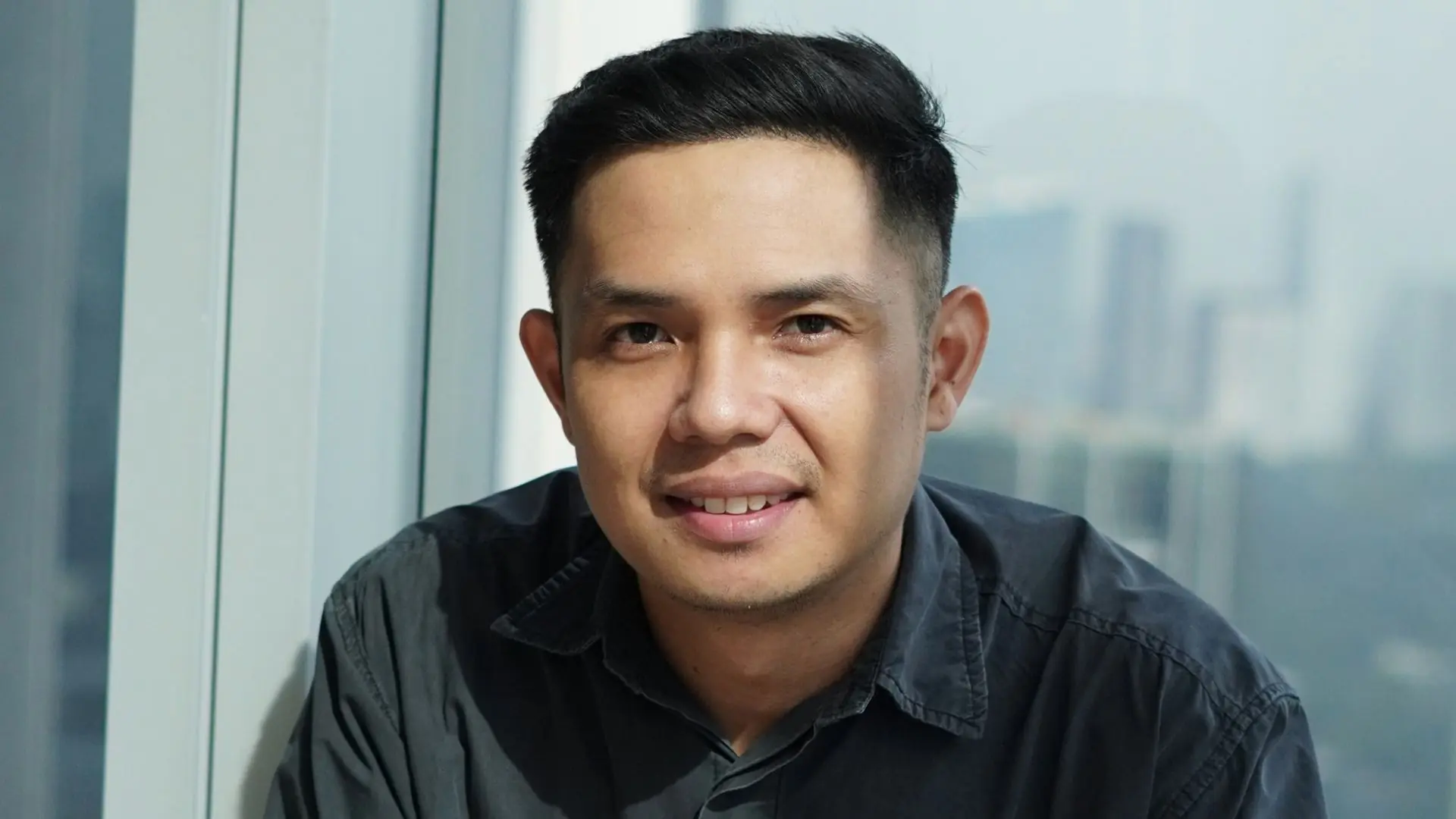
For a Filipino nurse, caring for other people is part of the job. But when hair loss gradually began affecting how he saw himself, he realised it was time to make a decision for himself.

His journey to a DHI hair transplant in the Philippines was not driven by vanity or the desire for an overnight transformation. It was a considered decision shaped by his medical background and his belief in taking a long term approach to his health.

When Hair Loss Starts to Change How You See Yourself

His hair loss had become increasingly noticeable over time. Photographs and certain lighting situations made him particularly conscious of his appearance.

Still, he hesitated.

Would it hurt? Was it worth the cost? And perhaps most importantly, would the result look natural?

“Nung una talaga medyo hesitant ako kasi gagastos ka, baka masakit, baka mag mukhang wig,” he recalls. “Pero nung na consult na ako, honestly, it’s the best decision I’ve made.”

For someone with a medical background, the decision required more than simply wanting to change his appearance. He wanted to understand the procedure, the science behind it, and what would be required after treatment.

An Evidence Based Approach to Hair Restoration

A DHI hair transplant involves extracting individual hair follicles from the donor area and implanting them into areas affected by hair loss. The process requires careful consideration of factors such as hairline design, graft placement, donor management, and the preservation of existing hair.

For him, the decision reflected the same approach he brings to his professional life.

“Coming from a medical background, my approach is entirely evidence-based.”

That mindset also extended beyond the procedure itself.

Hair restoration is not simply about the implanted hairs. Existing native hair can continue to be affected by androgenetic hair loss, which is why appropriate maintenance remains an important part of long term hair management.

“While my implanted hairs are permanent and resistant to DHT, my native hair still needs to be protected.”

He continues to follow clinically established maintenance protocols, which may include medical therapy, PRP or PMT sessions, and appropriate nutritional support depending on individual needs.

For him, consistency is central.

“So that’s why I stick strictly to the clinically proven maintenance protocols recommended,” he says. “Maintaining my hair requires consistency.”

Coming Home for Hair Restoration

For an overseas Filipino worker, returning to the Philippines for treatment added another dimension to his journey.

Working abroad often means putting personal priorities around professional responsibilities. Coming home gave him the opportunity to finally address something he had been thinking about for some time.

His decision to undergo a DHI hair transplant in the Philippines was therefore both practical and personal. It allowed him to combine his return home with a carefully considered medical journey.

For OFWs and international patients, hair restoration involves more than the procedure itself. Consultation, treatment planning, recovery, follow up, and long term maintenance all form part of the experience.

The Change His Family Noticed First

When he returned home, his family noticed something different.

They told him he looked younger and fresher.

But the more meaningful change was one he experienced himself.

“Sobrang laki talaga ng pagbabago. Dati sobrang conscious ako pag nag picture or natatapatan ng ilaw, pero ngayon I don’t even think about it.”

The change was not simply having more hair. It was no longer thinking about his hair every time he appeared in a photograph or stood beneath certain lighting.

“Parang nawala yung big weight sa akin.”

For him, that feeling is difficult to separate from the reason he chose to undergo treatment in the first place.

“It’s not about vanity. It’s about regaining something you lost over time.”

Looking Beyond the Immediate Result

His medical background also shaped his expectations after the procedure.

Rather than viewing hair restoration as something that ends once the treatment is complete, he sees it as a longer commitment to maintaining his hair.

“And of course, it also requires a scientific-based approach rather than just hoping for the best.”

That means remaining consistent with the maintenance protocols appropriate for him and understanding that the long term appearance of his hair involves both the transplanted and native hair.

“I view this as a lifelong investment.”

For him, the value is not limited to how he looks today.

“It’s not just about looking good right now. It’s also about the decades ahead.”

That perspective reflects a considered approach to self care: making an informed decision, understanding what it requires, and continuing to look after the result over time.

Conclusion

His journey from nurse to patient was ultimately about more than hair.

It was about approaching something personal with the same principles he brings to his profession: being informed, being disciplined, and thinking beyond the immediate result.

He chose to understand the science. He committed to the maintenance. And he continues to see his hair not as a one time treatment, but as a lifelong investment.

For him, that is what matters. Not simply looking better today, but making decisions that will continue to serve him years from now.

He did not become a different person. He simply felt more like himself again.

And in the end, perhaps that is the standard he set for himself: to make informed choices, to stay consistent with them, and to invest in the man he wants to be for the years ahead.

Ready for change? Book your consultation now at +63 917 676 5090 or visit cliniquedeparis.com. 

Next: Why Are International Patients Choosing the Philippines for Hair Restoration?

Book a FREE consultation with Clinique de Paris to discover the best solution for your hair loss.

our solutions

Hair to skin confidence

LET’S GET STARTED

Stay on top of it

Edit Template